CURRENT EXHIBITION
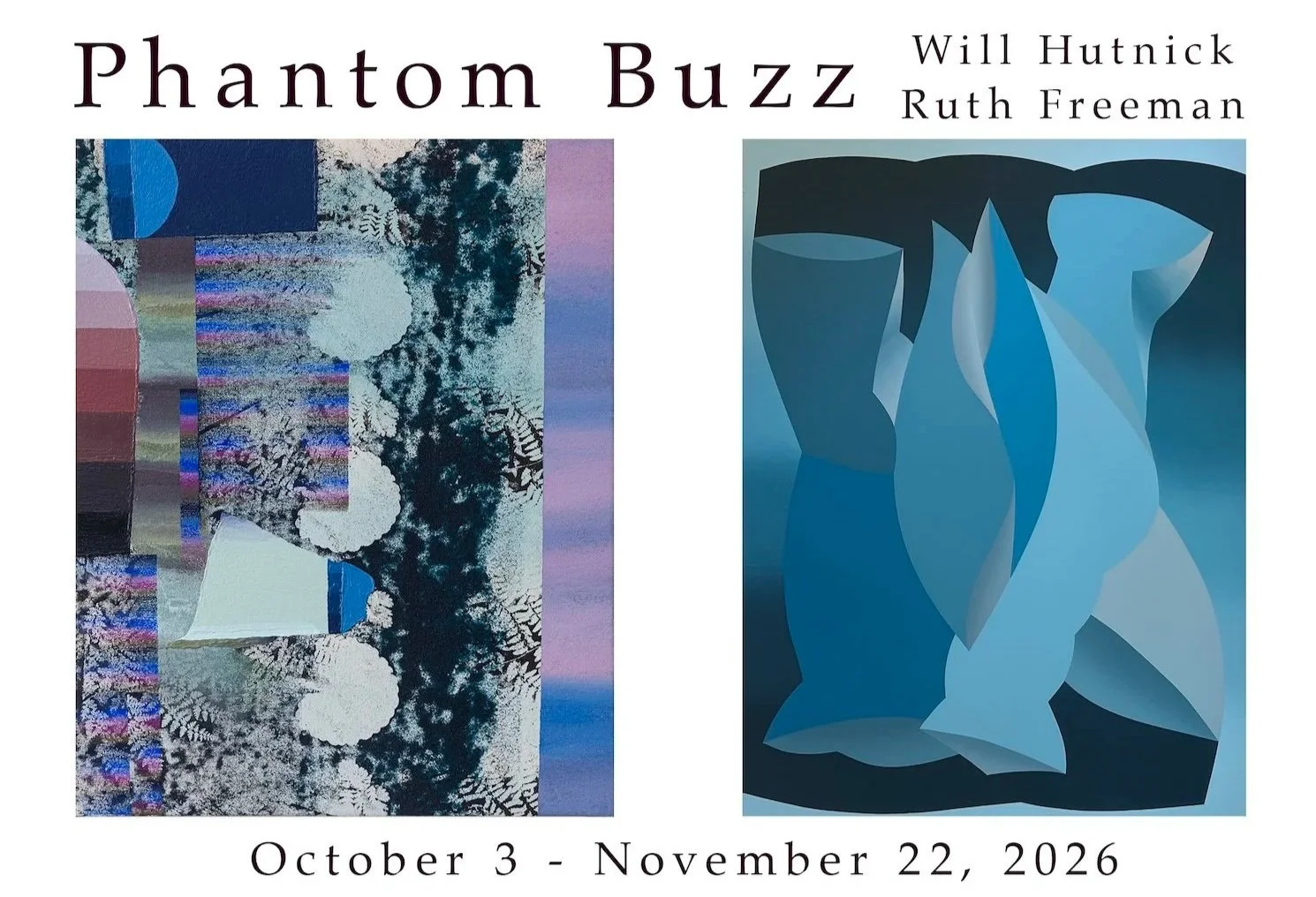
In Phantom Buzz, artists Will Hutnick and Ruth Freeman investigate the sensory undercurrents of contemporary Life - a state of constant, low frequency oscillation between tactile reality and digital illusion. The exhibition’s title evokes that familiar psychosomatic: the pocket vibration of a device that isn’t there, the lingering retinal burn of an environment saturated by synthetic infrastructure, or the ambient static of a hyper-connected nervous system. Rather than succumbing to pure cynicism or nostalgia, Hutnick and Freeman channel this low-grade electronic interference into visceral, layered abstractions that reconsider what it means to feel present in a pixelated reality.
Entering the gallery, the viewer is confronted by a shared visual syntax of optical dissonance. Both artists construct spaces defined by additive and subtractive gestures, where clean geometries are disrupted by glitchy, uncontainable impulses. Yet their routes into this chromatic static diverge in ways that animate the entire space.
Will Hutnick’s canvases operate as dense, rhythmic sedimentations of place and sequence. Grounding his process in direct engagement with the landscape, Hutnick presses leaves, found vegetation, and wax pastel textures directly onto canvas before rolling and obscuring the surfaces with fields of acrylic paint. The natural motifs - fern fronds, geological strata, and fractured grids - refuse to settle into pristine botanical studies. Instead, they appear as degraded transmissions, repeated like analog printing errors or artifacts in a glitching feed. In the works with acid, violets, radioactive, and smoldering magentas, Hutnick subverts linear time. His surfaces mimic topological cross-sections where temporal layers fold over each other, suggesting that memory and identity are fluid, non-informative terrains continually disrupted by the present.
Ruth Freeman tackles the uncanny aesthetics of modern interface culture. Freeman’s practice begins in the digital sandbox, developing intricate vector sketches before translating them into monumental, labor-intensive paintings. Employing obsessively applied tape masks alongside sweeps of glowing acrylic, Freeman mimics RGB backlighting, raster patterns, and moire effects using purely analog gestures. Her canvases seem to hum with the synthetic glow of smartphone glass, yet up close, the paint reveals microscopic imperfections, bleeds and manual adjustments. In Freeman’s compositions, sharp vector edges collide with tactile scuffs and gestural erasures, pulling viewers back and forth across the divide between human touch and machine-rendered perfection.
The friction between Hutnick’s organic decay and Freeman's algorithmic rigor is where Phantom Buzz achieves its charge. Where Hutnick drags organic matter into the glitch, Freeman drags digital precision back into the mess of wet paint. Seen side by side, their works illuminate how deeply meditated our sensory experiences have become. We no longer observe nature without the ghost of an optic sensor, nor can we navigate screens without clumsy, biological bodies.
Rather than resolving this paradox, the exhibition leans straight into the dissonance. The optical hum generated across the gallery walls feels urgent, seductive, and slightly disorienting.
In an era when our attention spans are splintered across dozens of open tabs and shifting coordinates, Phantom Buzz slows down the static just enough for us to see its architecture, turning modern distraction into a layered, luminous meditation on form, surface, and survival.
- Monte Wilson
EXHIBITION WORKS
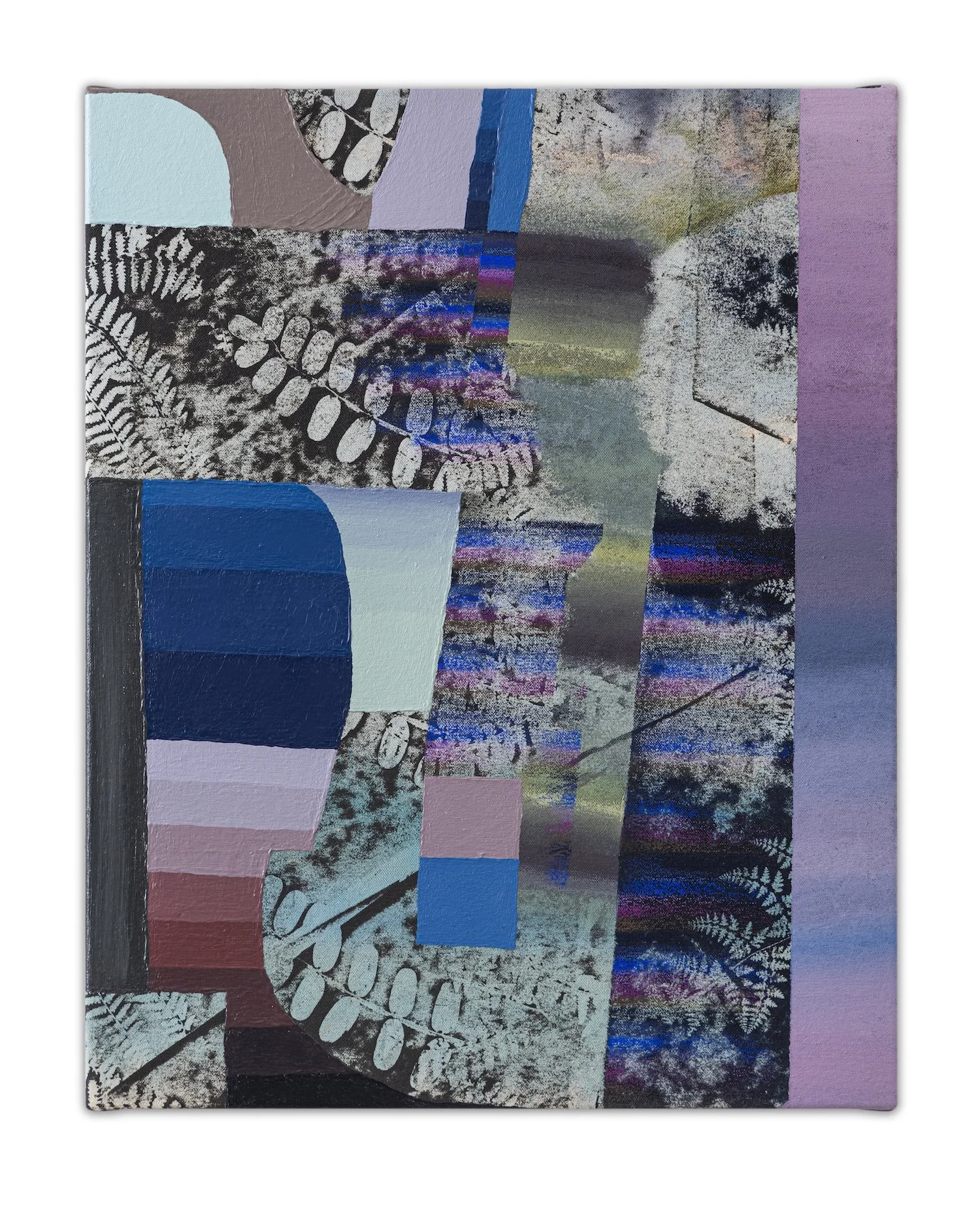
WILL HUTNICK - A Few Seconds of Silence | Acrylic, colored pencil, graphite, marker and wax pastel on canvas | 20 by 16 inches | 2026

WILL HUTNICK - Dead Ringer | Acrylic, colored pencil, graphite, marker , spray paint and wax pastel on canvas | 28 by 22 inches | 2026
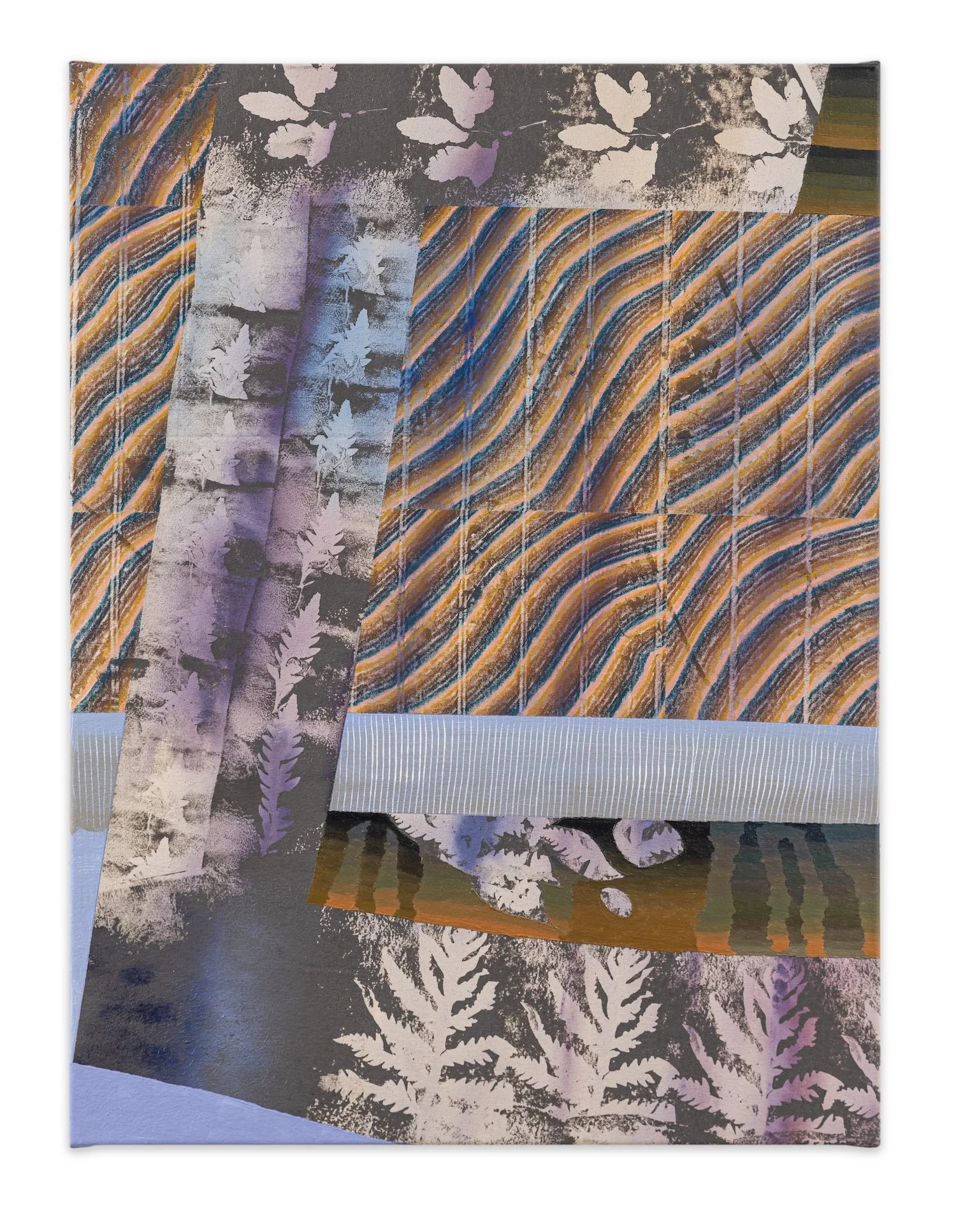
WILL HUTNICK - Dusk | Acrylic, colored pencil, graphite and wax pastel on canvas | 40 by 30 inches | 2026
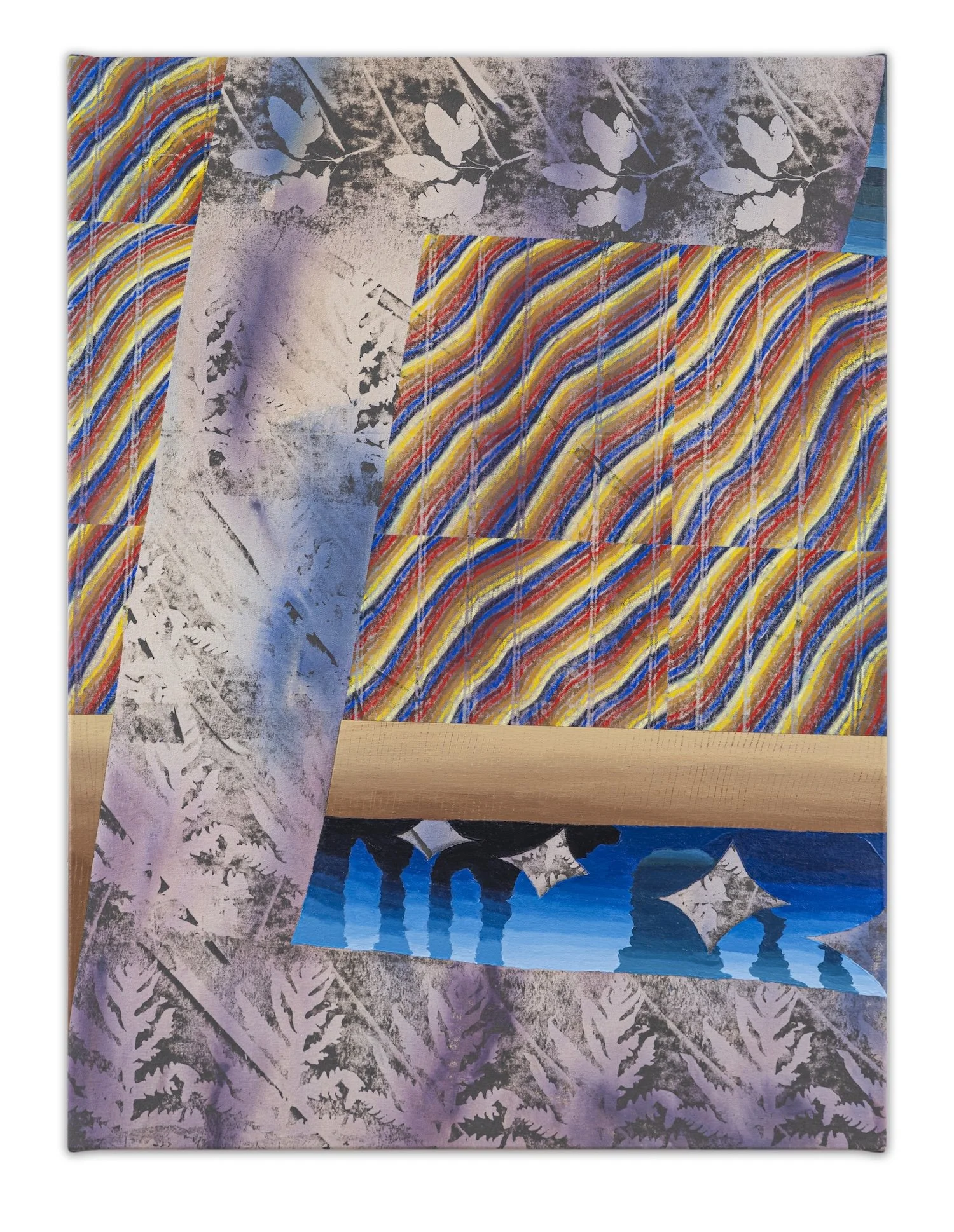
WILL HUTNICK - Electric Sky | Acrylic, graphite and wax pastel on canvas | 40 by 30 inches | 2026
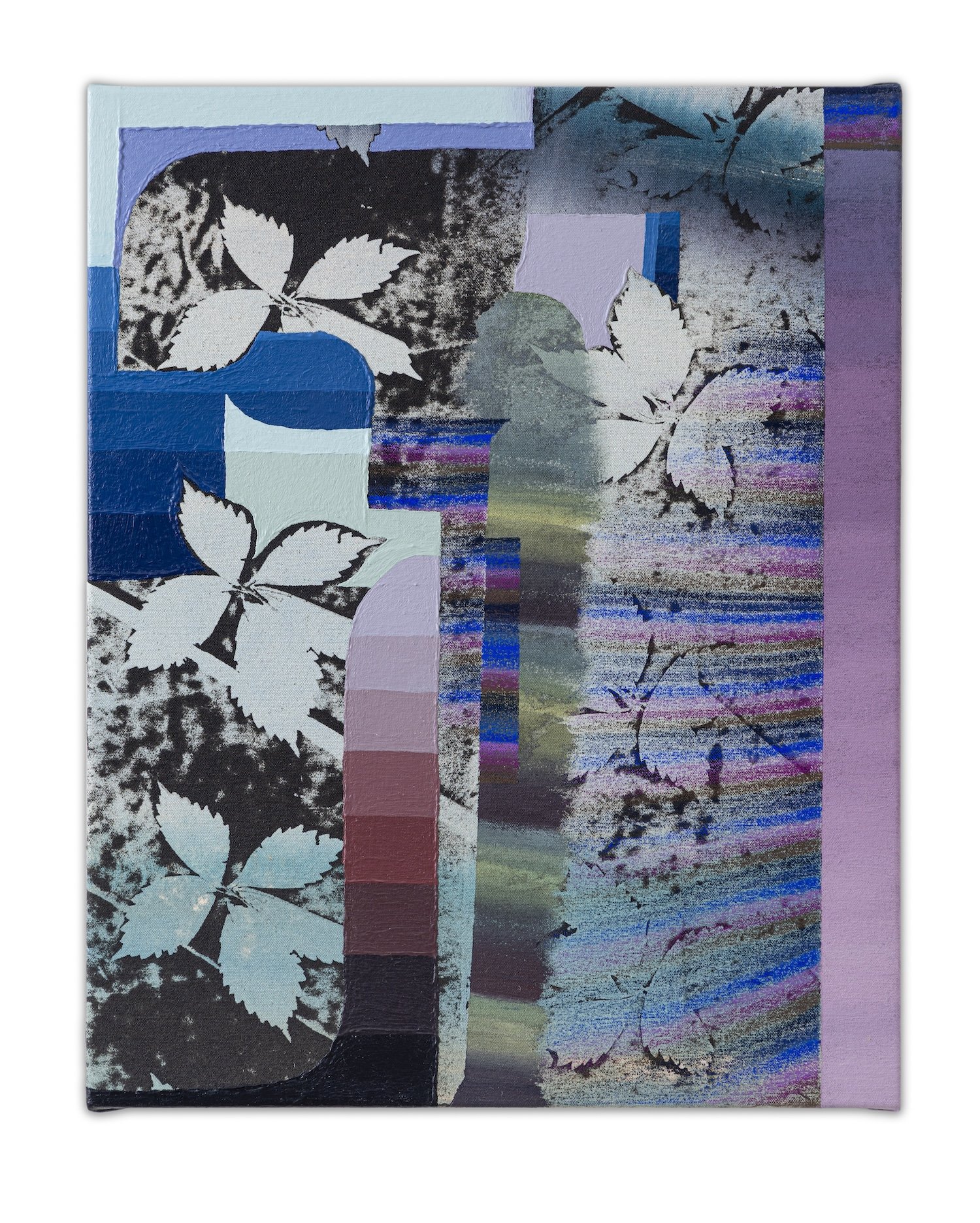
WILL HUTNICK - Good Evening Midnights | Acrylic and wax pastel on canvas | 20 by 16 inches | 2026
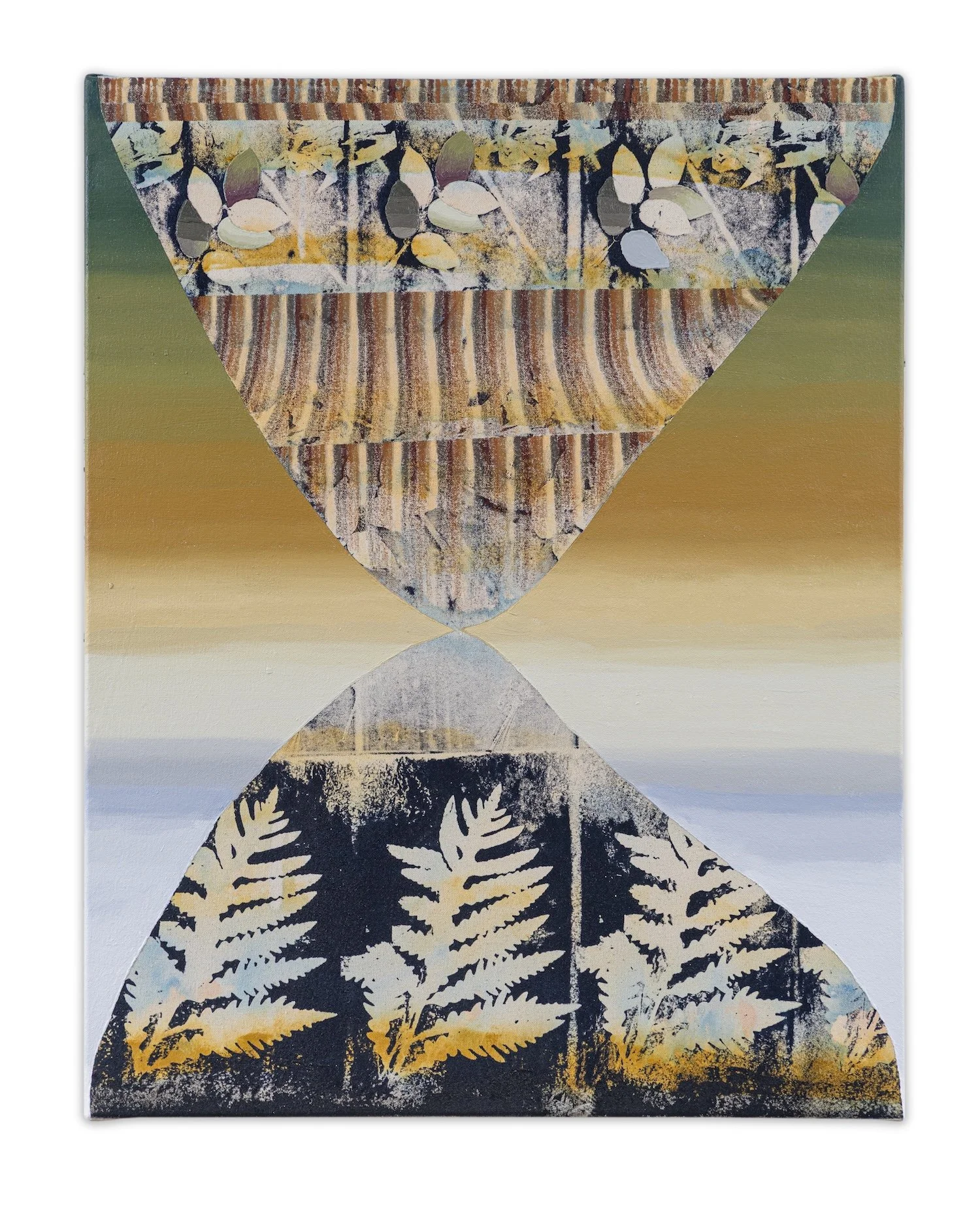
WILL HUTNICK - Hourglass | Acrylic and wax pastel on canvas | 28 by 22 inches | 2026
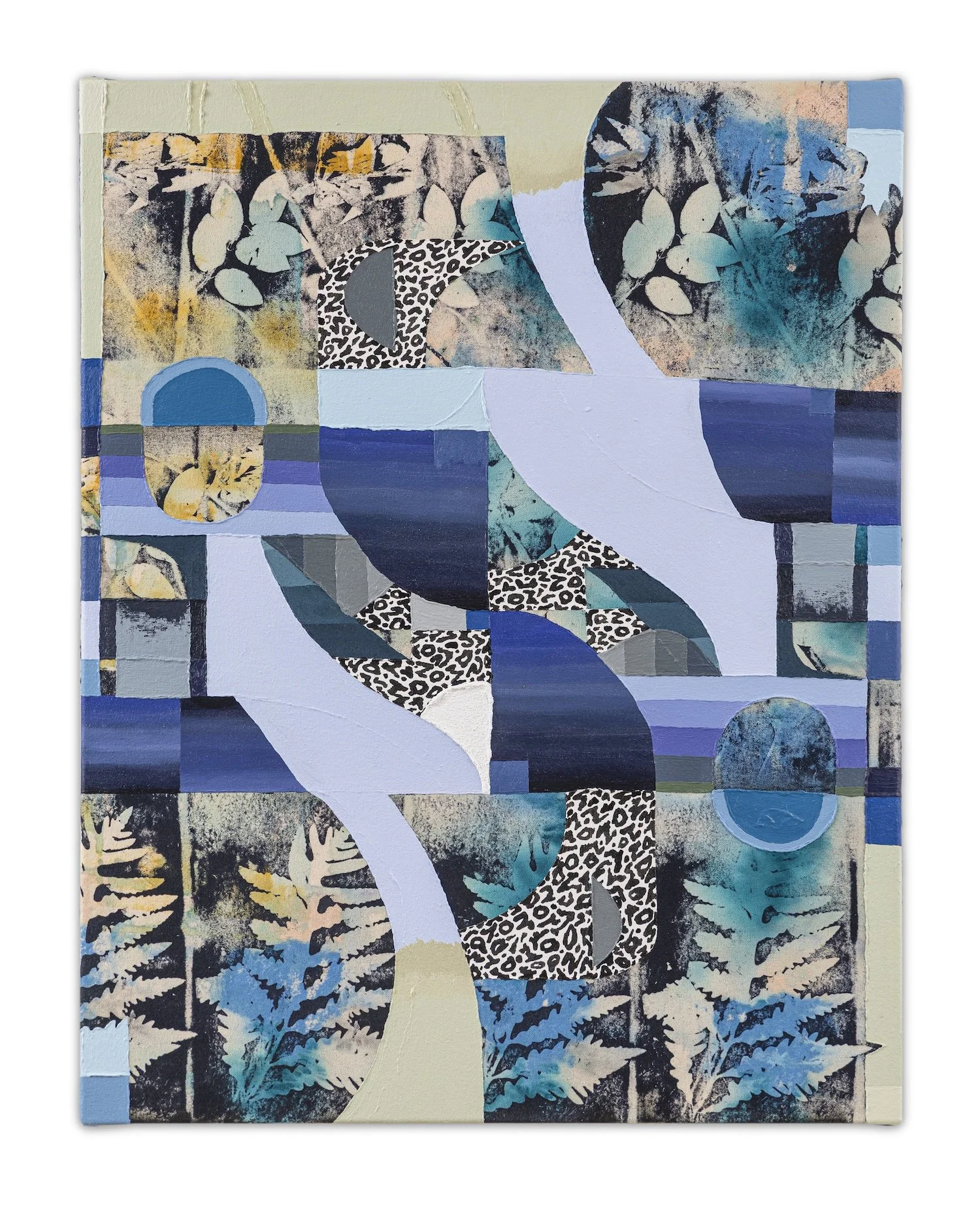
WILL HUTNICK - North Poles | Acrylic, graphite, ink, sand and wax pastel on canvas | 28 by 22 inches | 2026
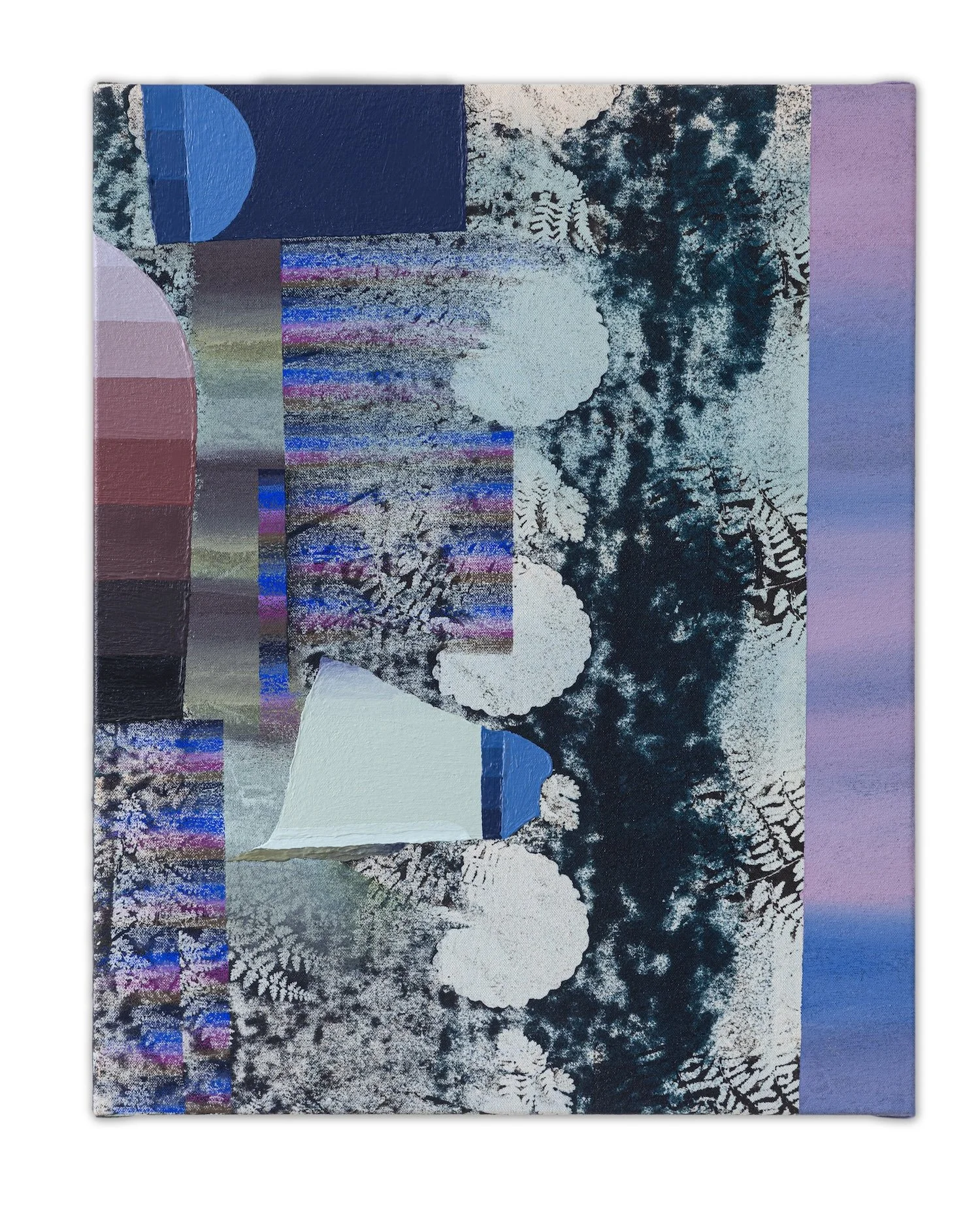
WILL HUTNICK - Phantom Buzz | Acrylic, colored pencil, graphite and wax pastel on canvas | 20 by 16 inches | 2026

WILL HUTNICK - Tangerine Dream | Acrylic, ink, spray paint, watercolor and wax pastel on canvas | 60 by 70 inches | 2026
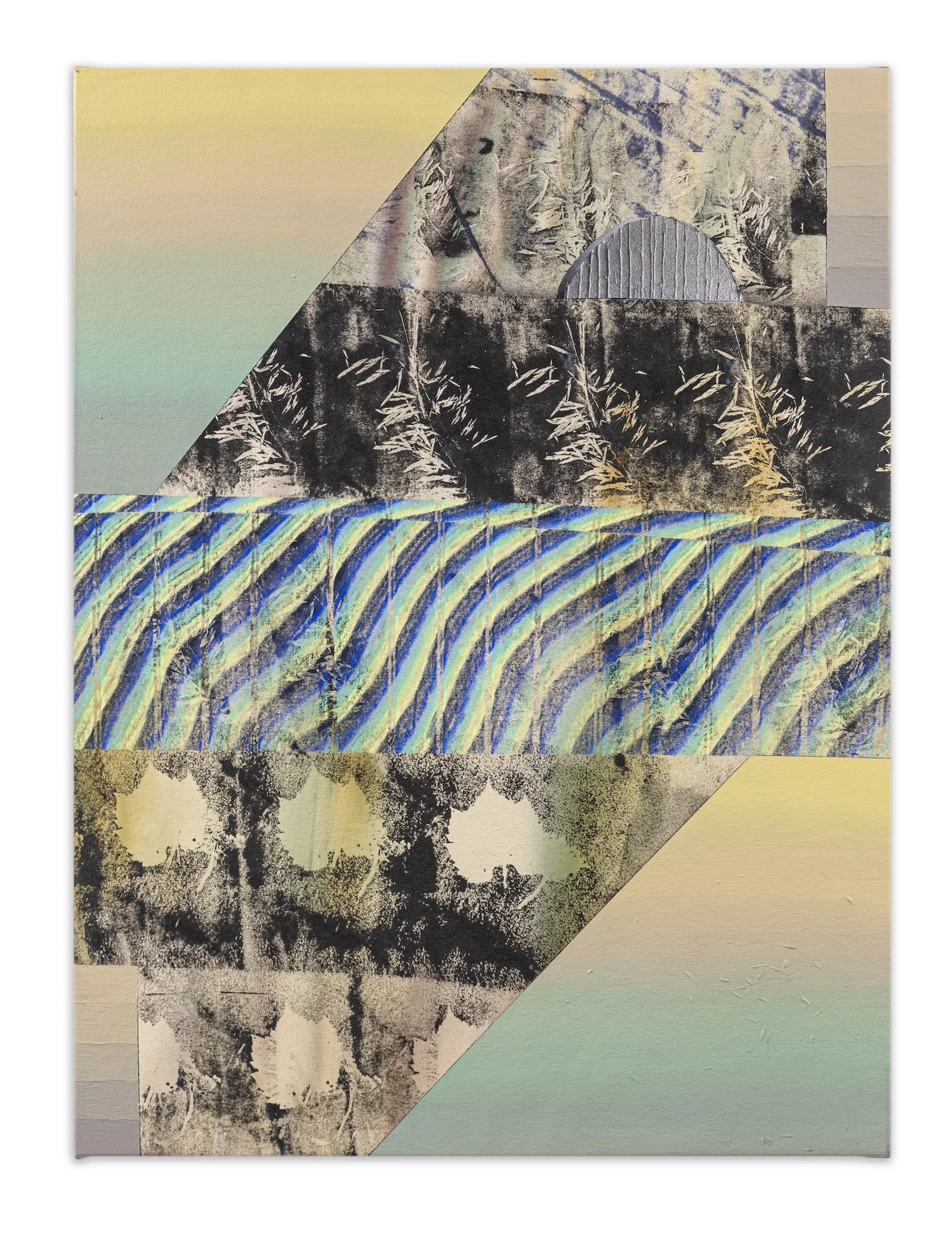
WILL HUTNICK - The Shapes of Clouds The Thoughts of Chestnuts | Acrylic, graphite, spray paint and wax pastel on canvas | 40 by 30 inches | 2026
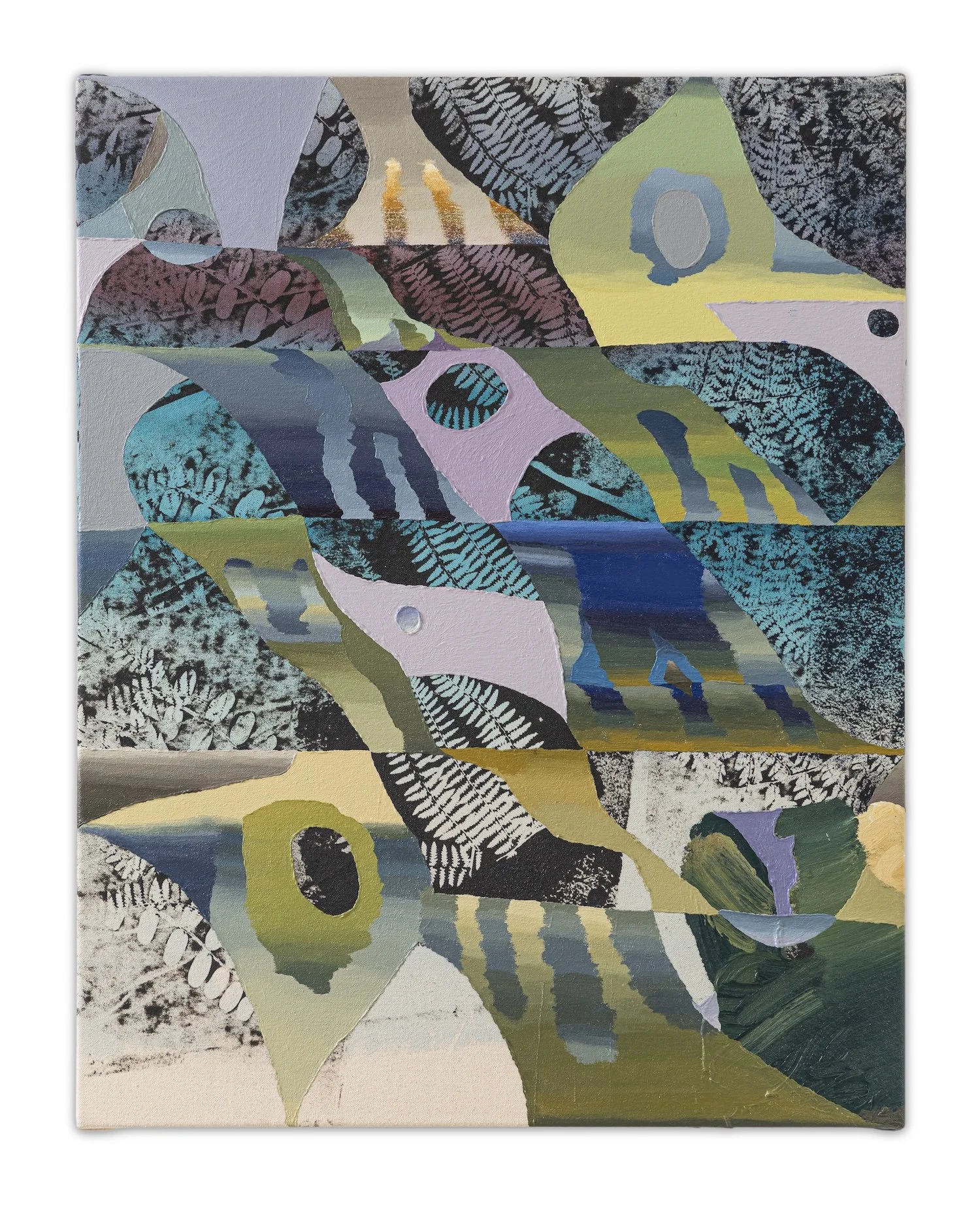
WILL HUTNICK - Time Keeps On Slipping | Acrylic, graphite and wax pastel on canvas | 28 by 22 inches | 2026
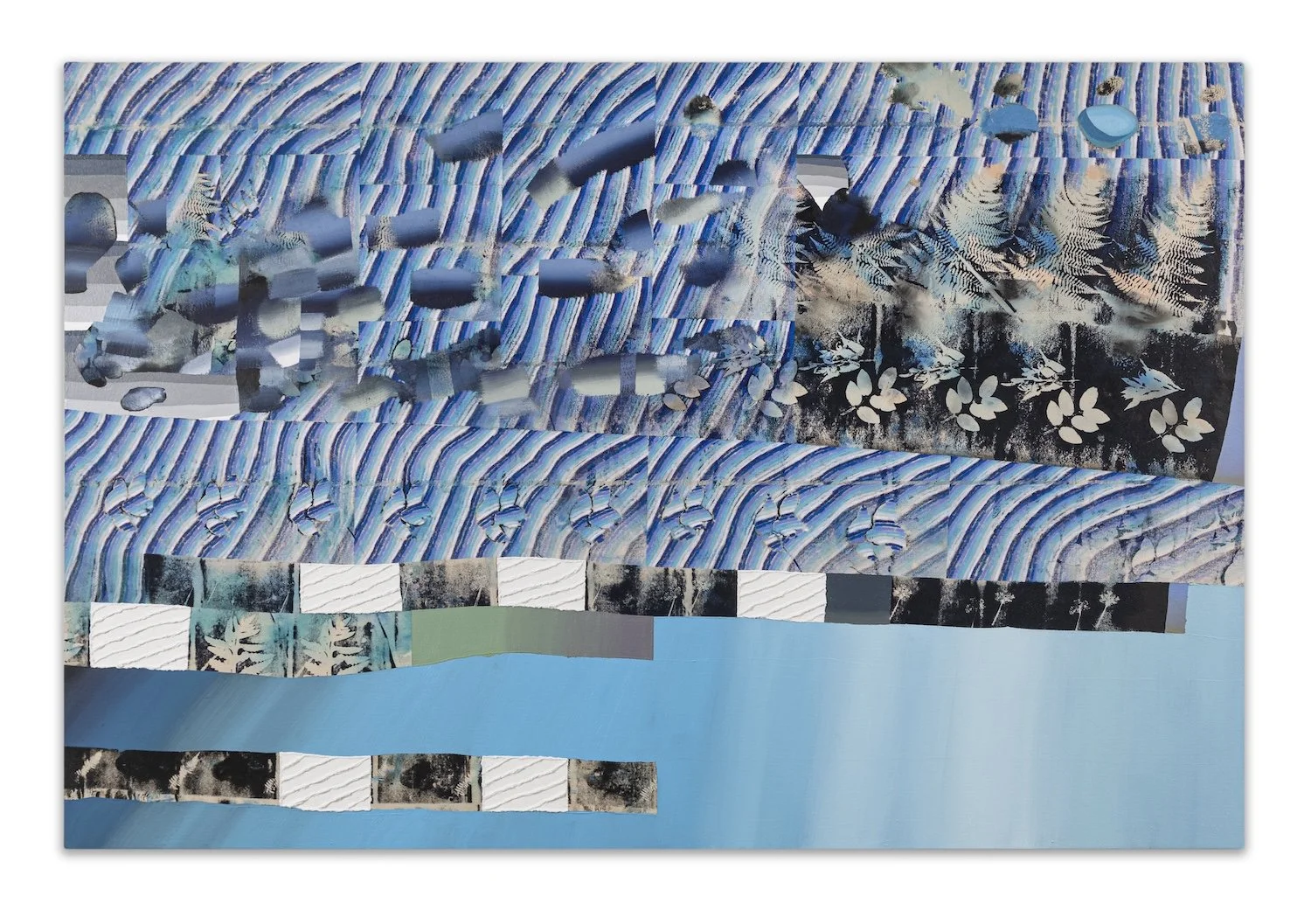
WILL HUTNICK - Waves Know Shores | Acrylic, marker, sand and wax pastel on canvas | 48 by 72 inches | 2026
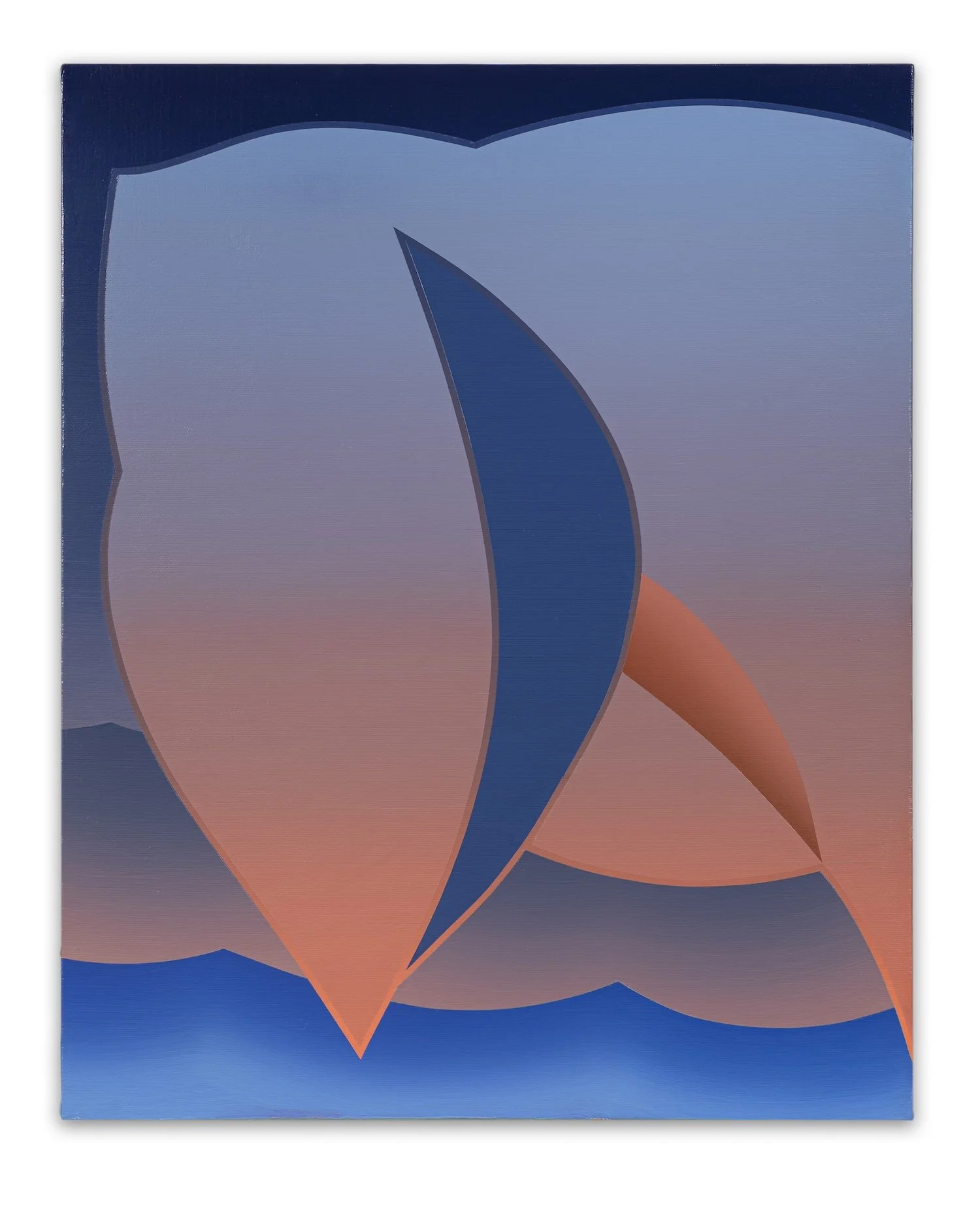
RUTH FREEMAN - Ode To Camp 2026 | Acrylic on Canvas | 20 by 16 inches | 2026
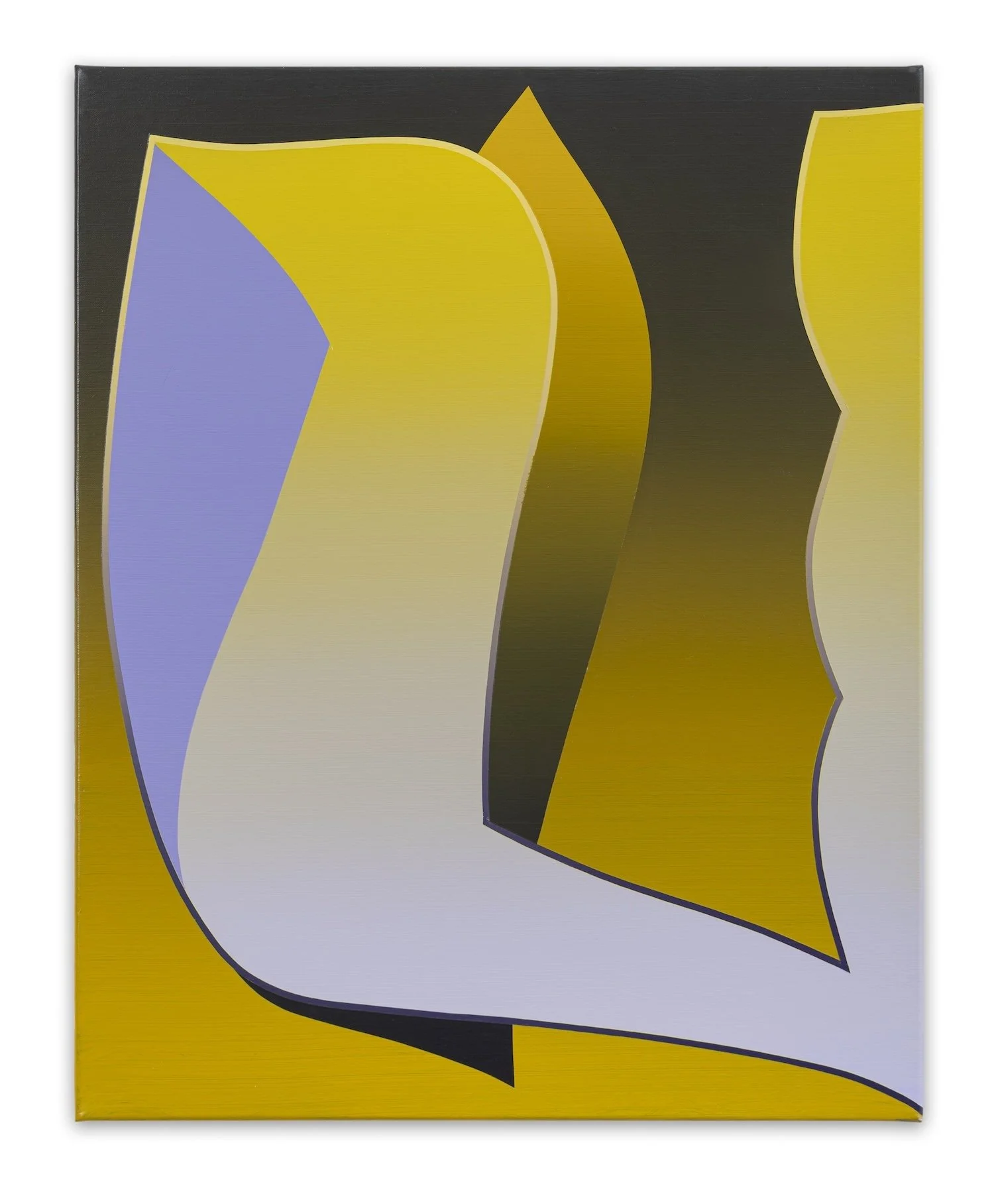
RUTH FREEMAN - Close Proximity | Acrylic on Canvas | 20 by 16 inches | 2026
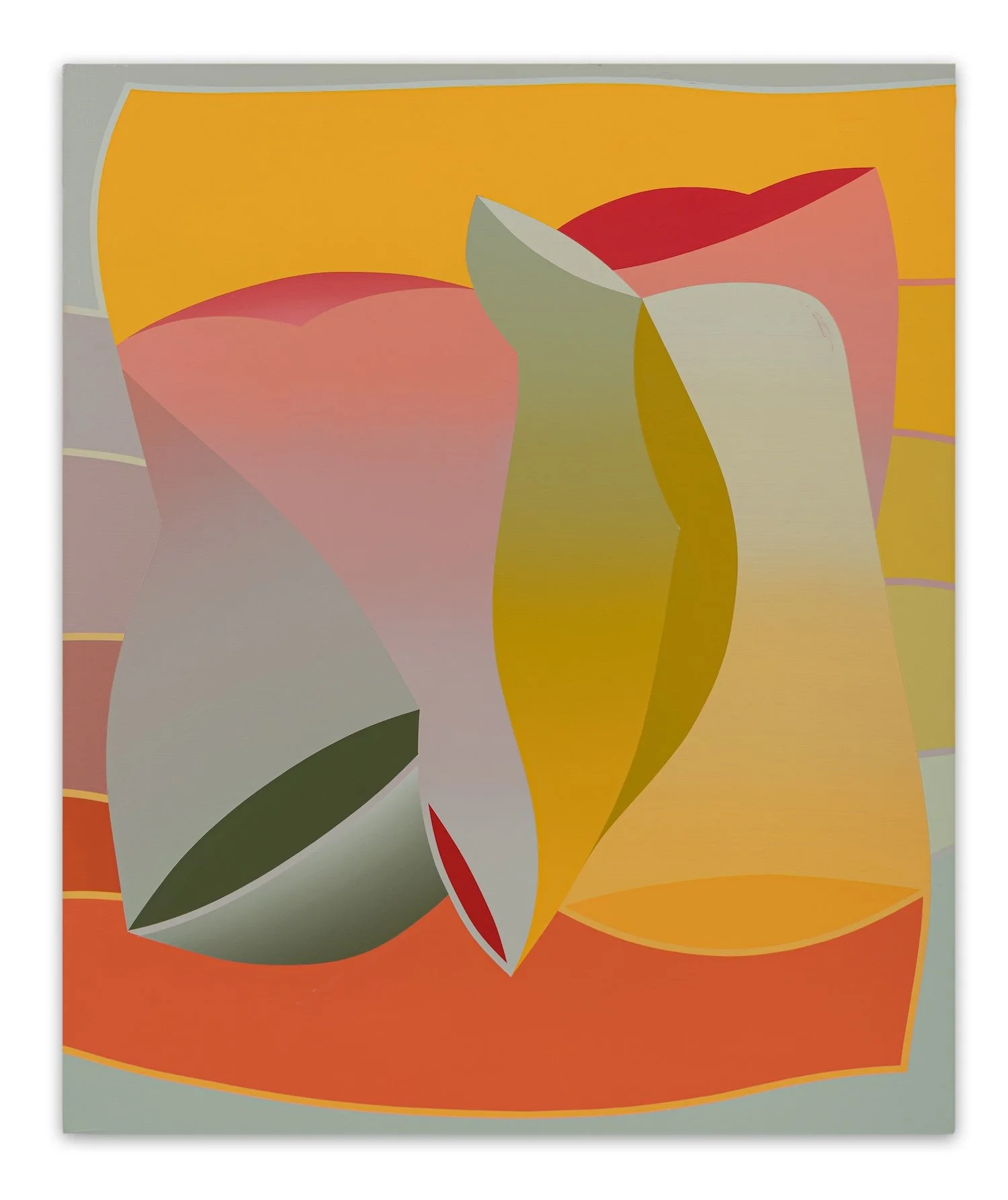
RUTH FREEMAN - Gathered Together | Acrylic on Canvas | 36 by 30 inches | 2026
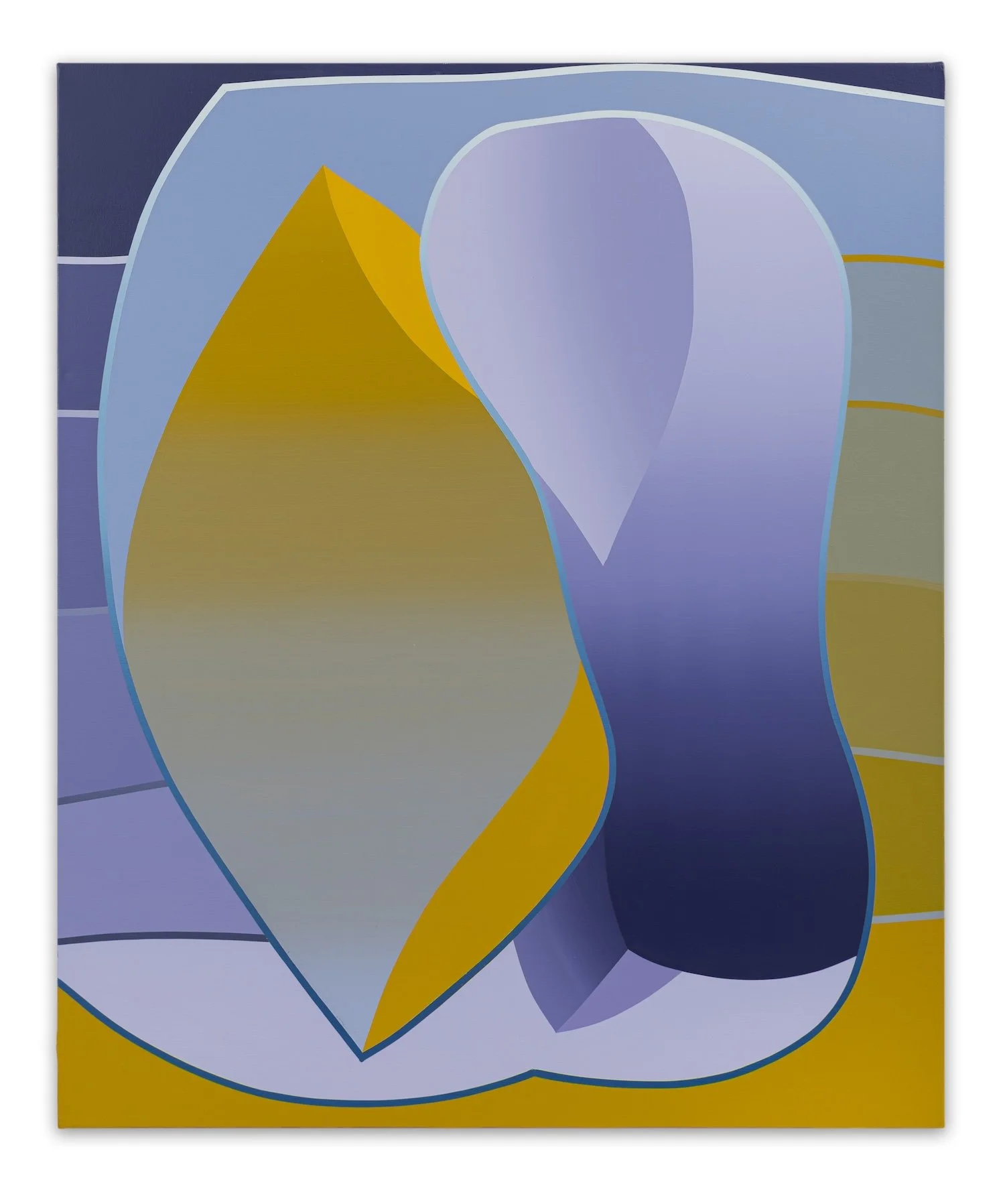
RUTH FREEMAN - Past History | Acrylic on Canvas | 36 by 30 inches | 2026
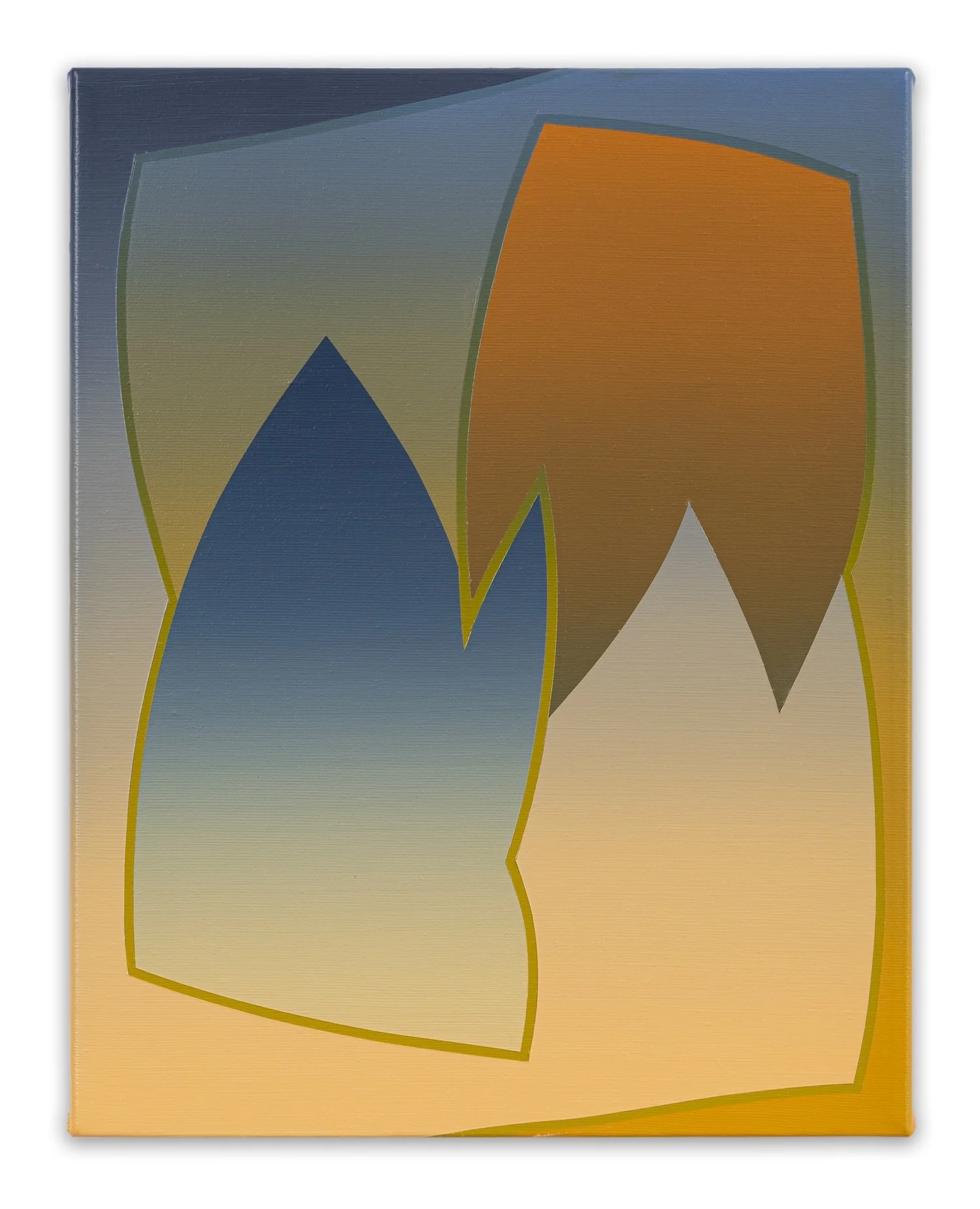
RUTH FREEMAN -Hello, Are You There? | Acrylic on Canvas | 14 by 11 inches | 2026
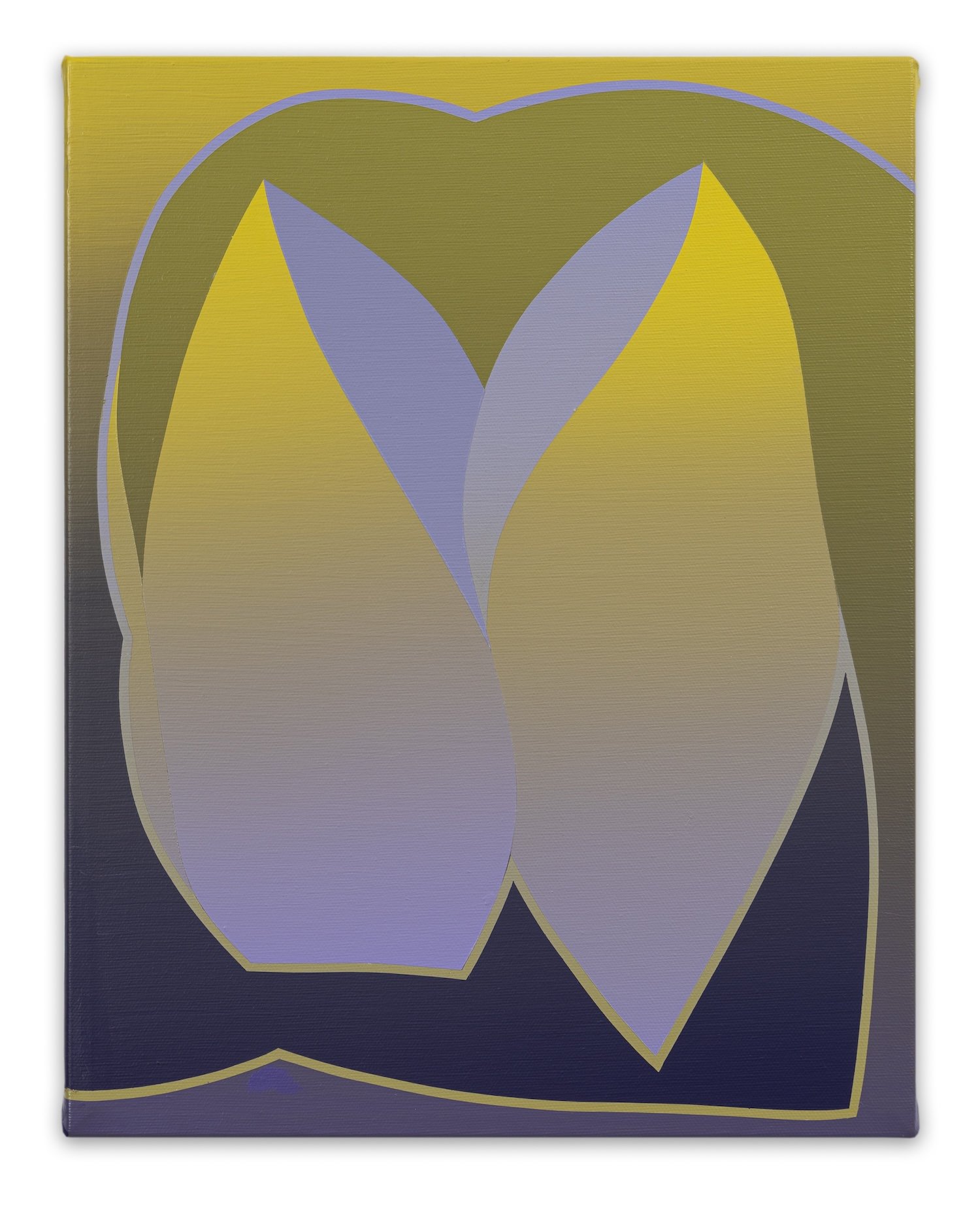
RUTH FREEMAN - NutraSweet | Acrylic on Canvas | 14 by 11 inches | 2026
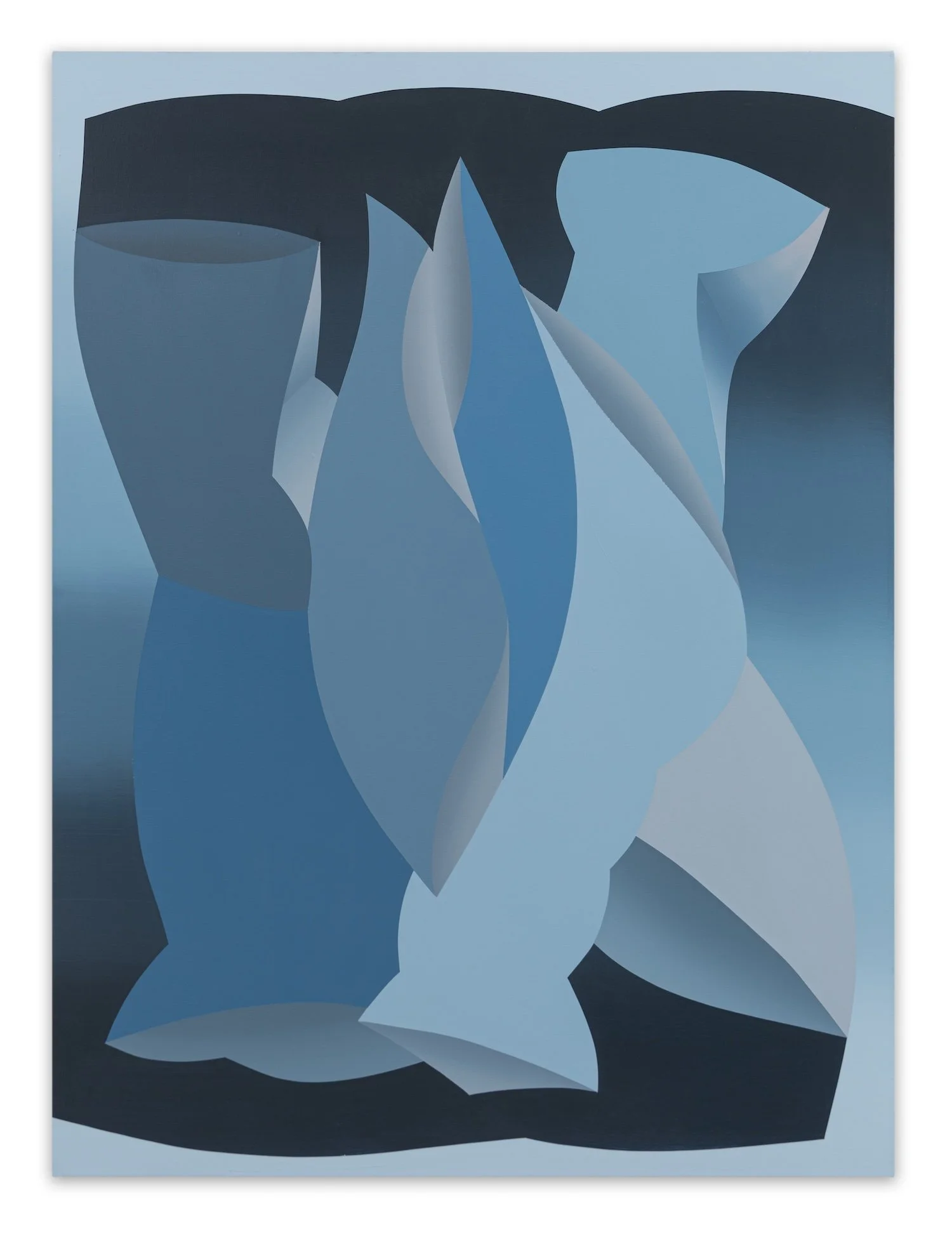
RUTH FREEMAN - Oblivious To Chaos | Acrylic on Canvas | 48 by 36 inches | 2026
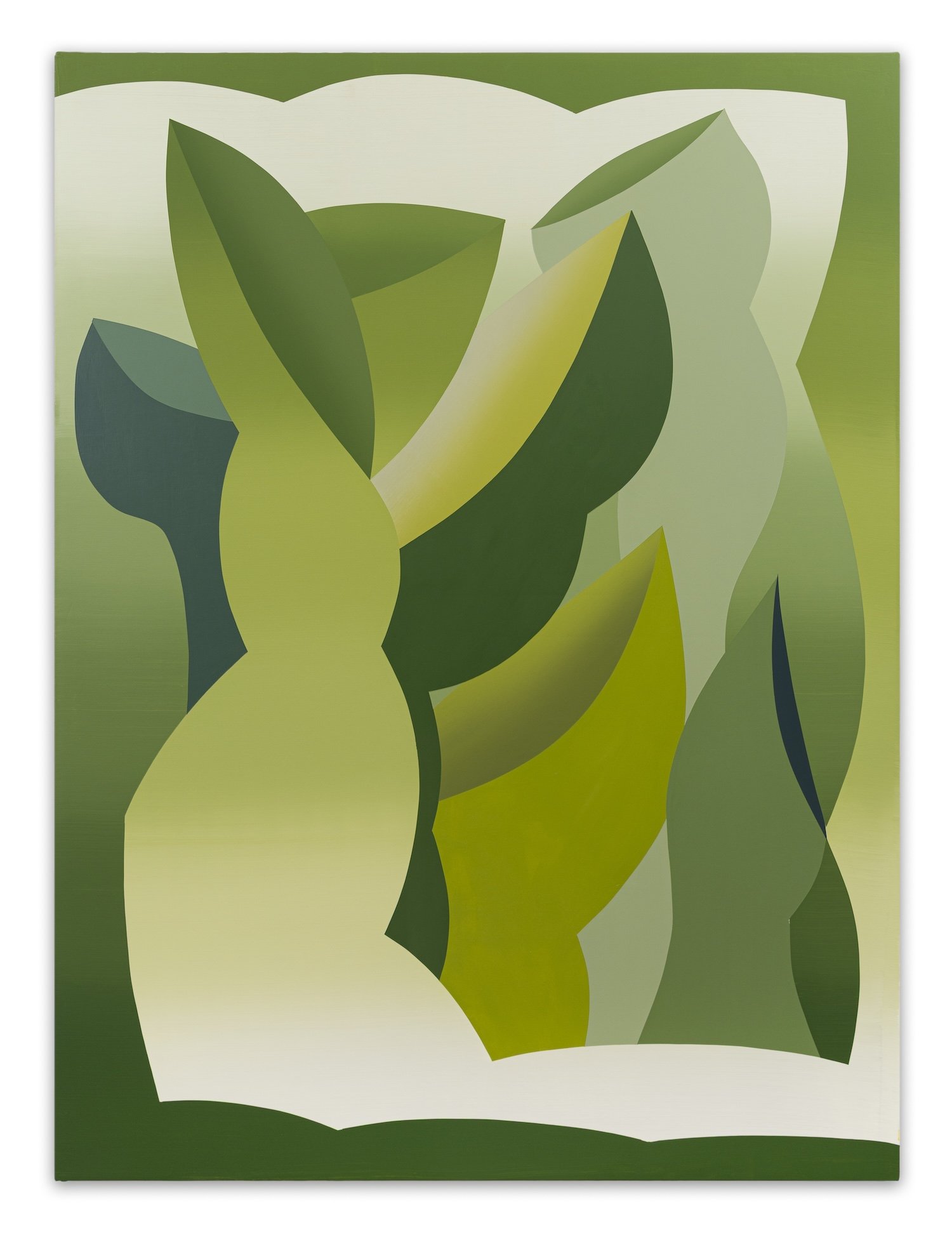
RUTH FREEMAN - All Those Great Believers | Acrylic on Canvas | 48 by 36 inches | 2026
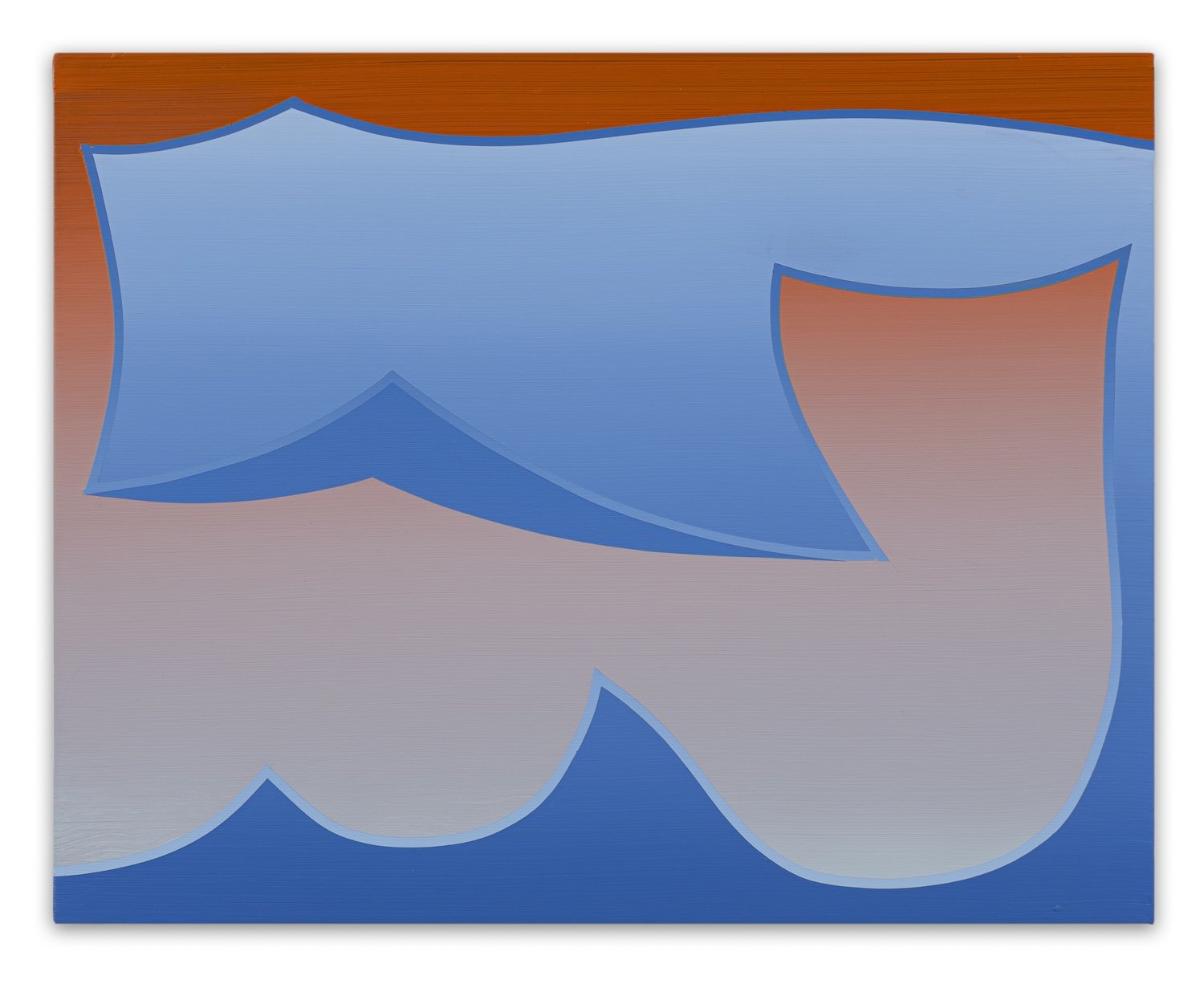
RUTH FREEMAN - Ocean Eyes | Acrylic on Wood Panel | 11 by 14 inches | 2026
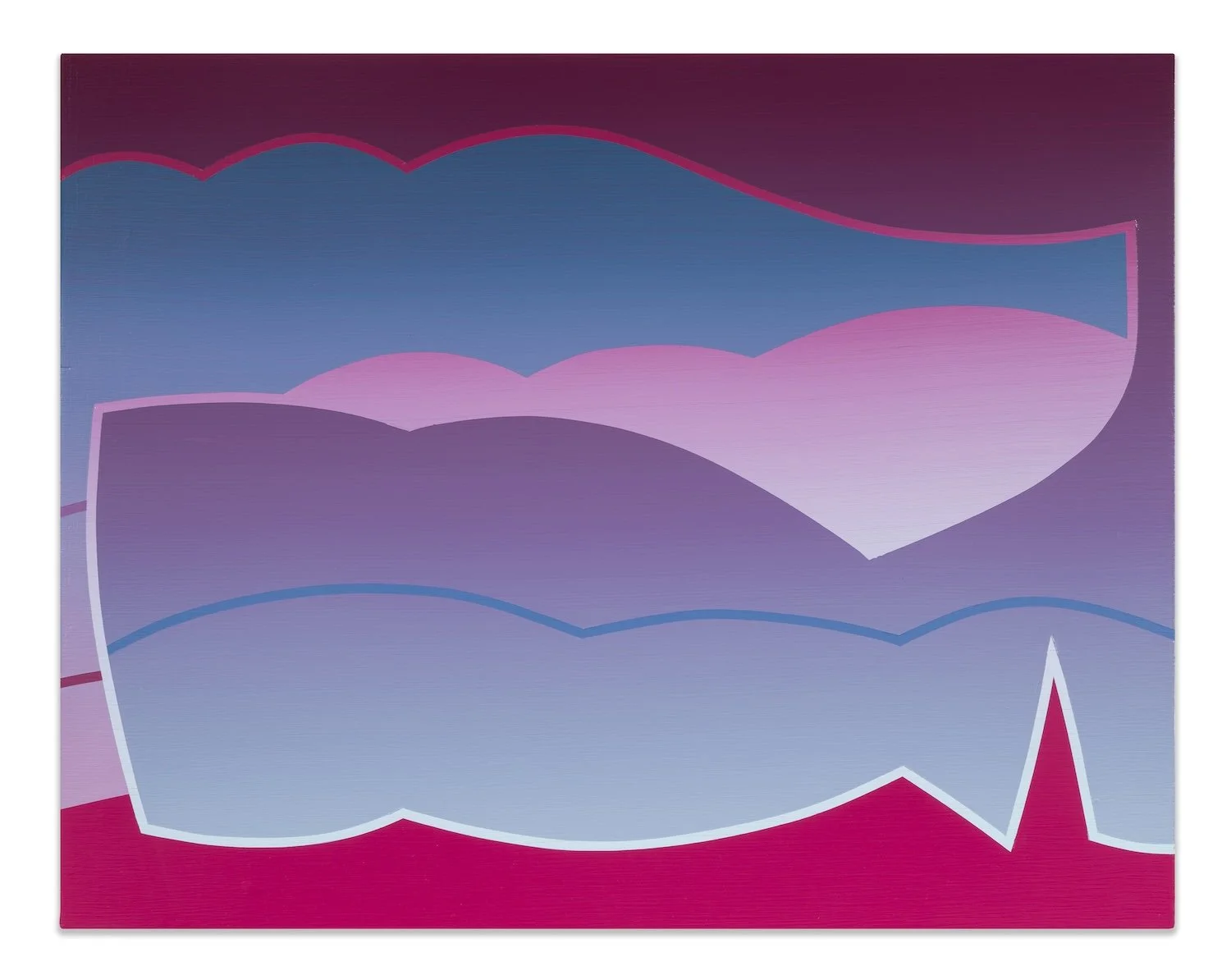
RUTH FREEMAN - Drive At Dusk | Acrylic on wood panel | 11 by 14 inches | 2025
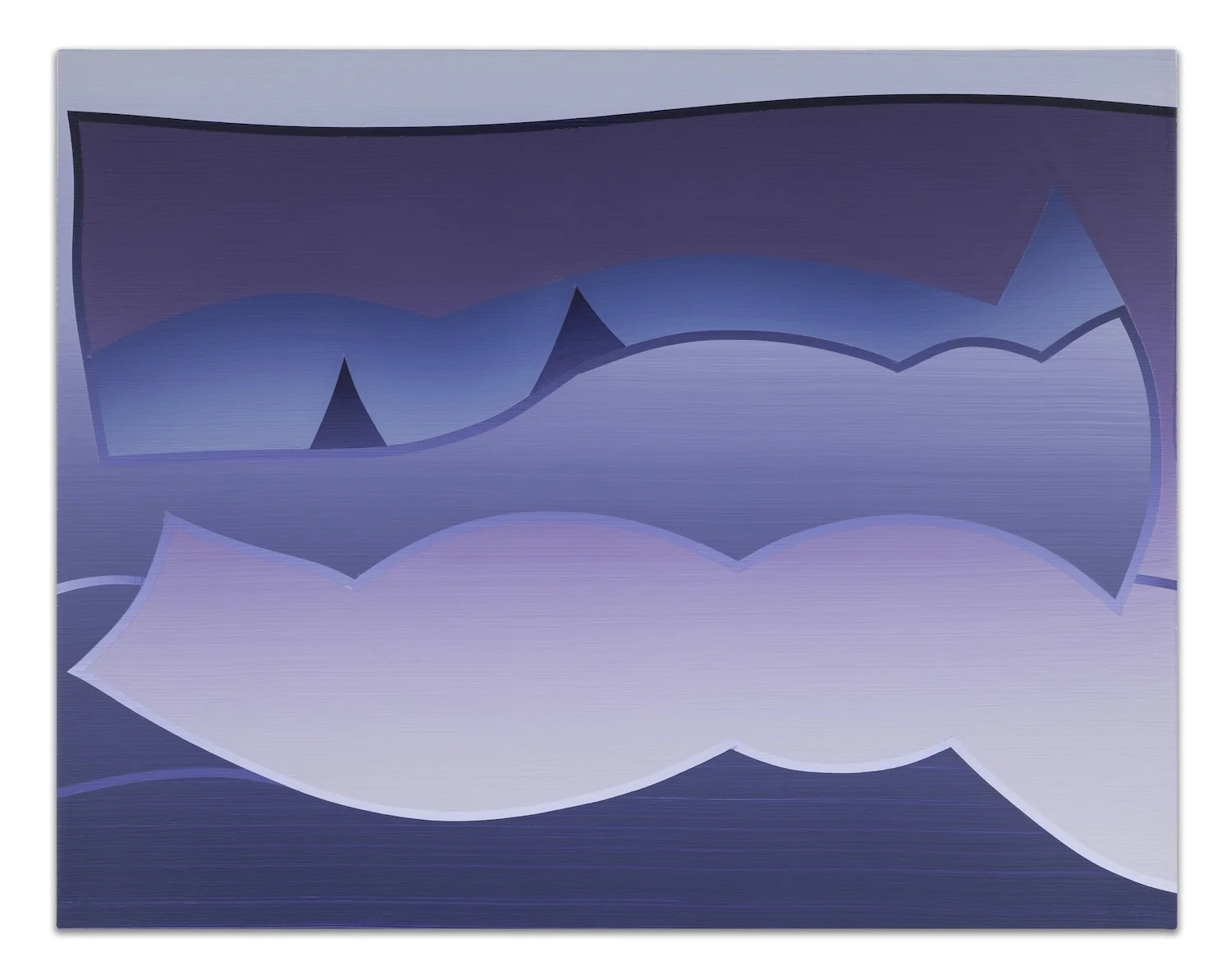
RUTH FREEMAN - Night Drive | Acrylic on Wood Panel | 11 by 14 inches | 2025
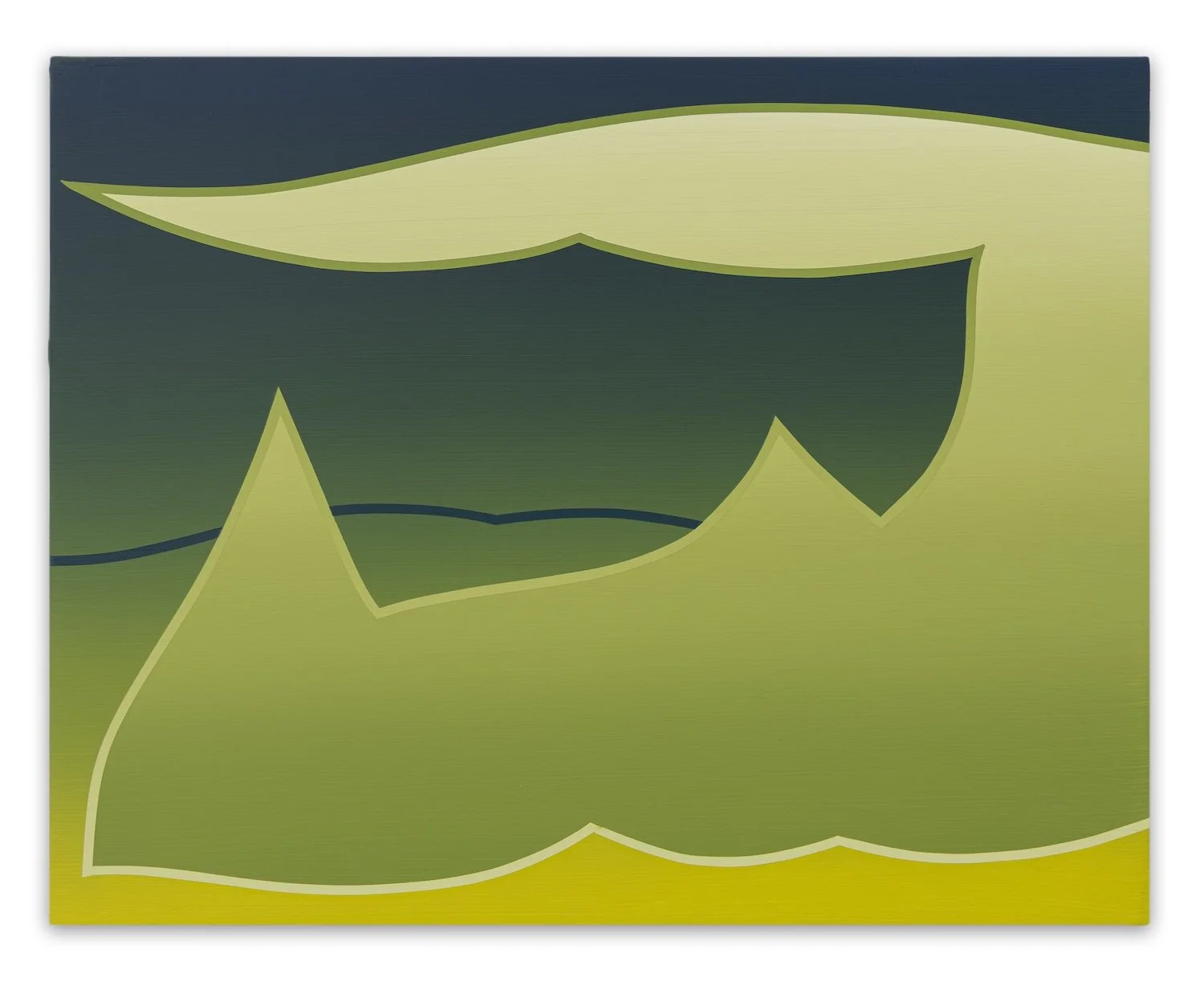
RUTH FREEMAN - Forest For The Trees | Acrylic on wood panel | 11 by 14 inches | 2026
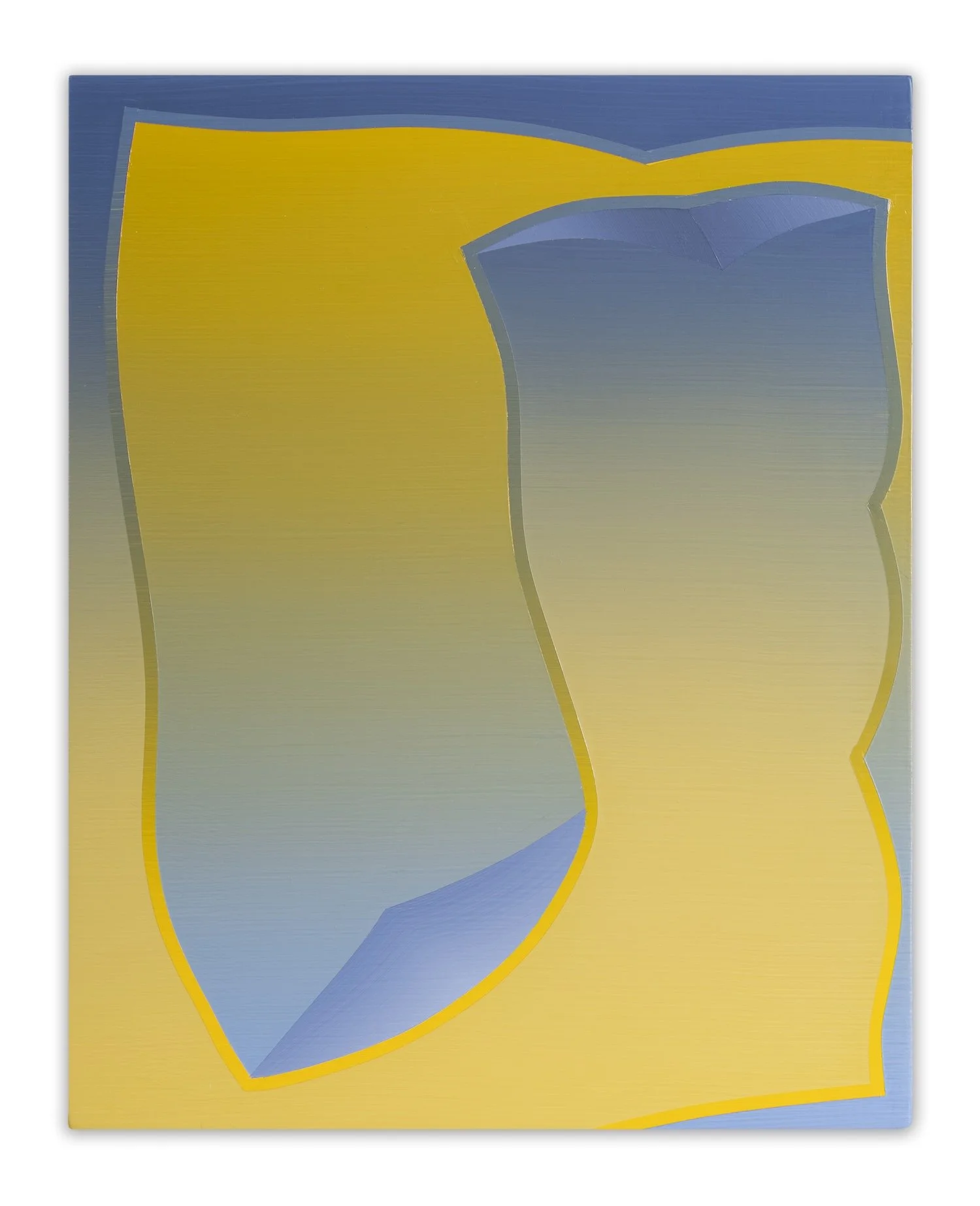
RUTH FREEMAN - Dark Into Light | Acrylic on wood panel | 10 by 8 inches | 2025
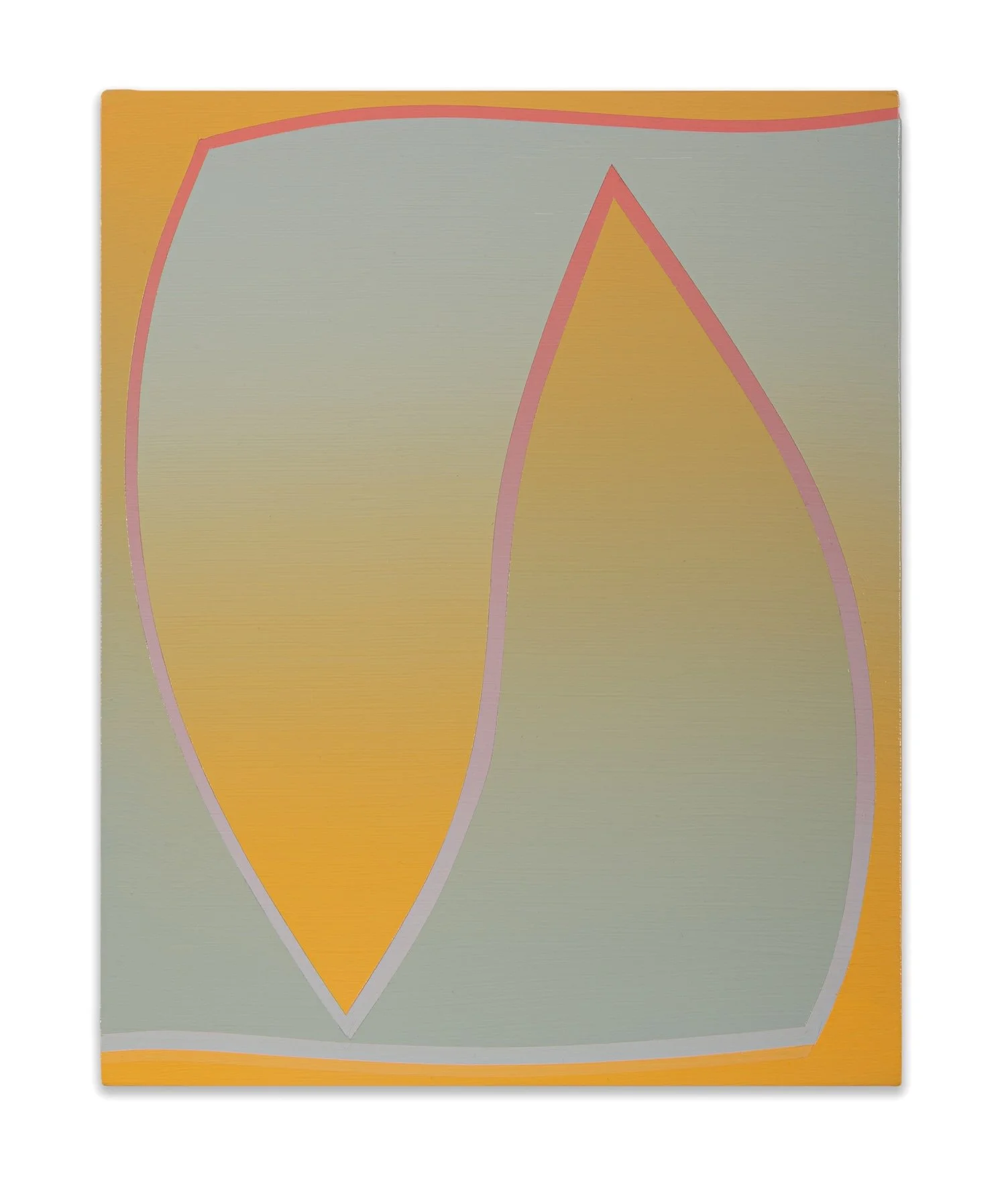
RUTH FREEMAN - Alone Together | Acrylic on wood panel | 10 by 8 inches | 2025
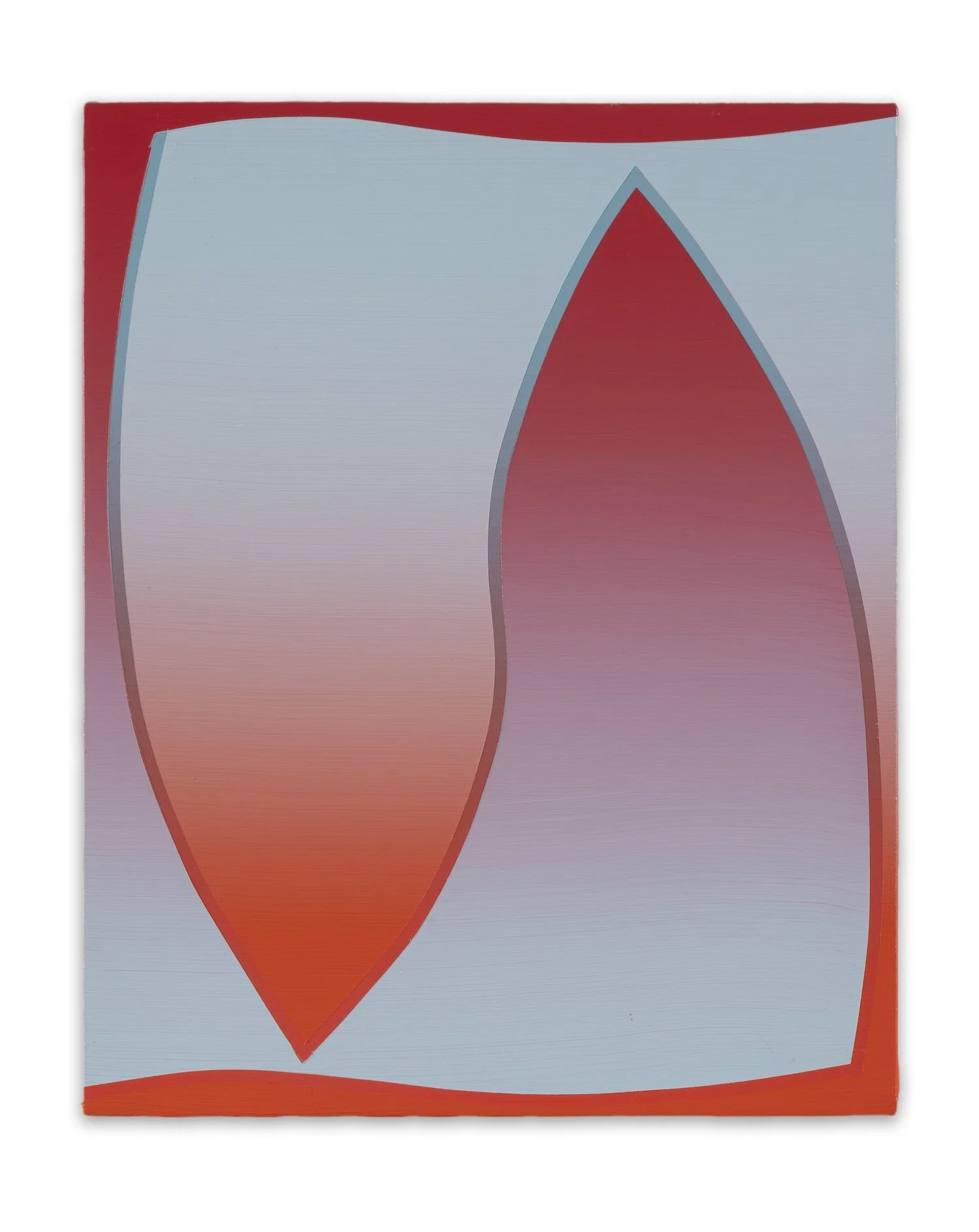
RUTH FREEMAN - Dark Until Light | Acrylic on wood panel | 10 by 8 inches | 2024